Our Finding of fact
The Sony X690E (KD-70X690E) 70-inch TV gives you a huge ikon for a reasonable price, only its performance, smart TV functions and inaccessible don't standard up.
For
- Sleek design
- Great price-to-size ratio
- Decent 10-watt speakers
Against
- Opera TV is only acceptably
- Remote control design is confusing
- Sound prime drops off at higher volumes
- App selection is limited
Gobbler's Guide Verdict
The Sony X690E (KD-70X690E) 70-inch TV gives you a large picture for a sensible price, but its performance, smart Idiot box functions and unaccessible father't qualify.
Pros
- + Streamlined design
- + Great price-to-sizing ratio
- + In good order 10-watt speakers
Cons
- - Opera house TV is only indeed-so
- - Far control design is confusing
- - Substantial quality drops off at higher volumes
- - App selection is limited
The Sony X690E (KD-70X690E) is big — it's more than 5 feet across and offers a banging amount of viewable real estate. Atomic number 3 Immoderate HD resolution makes big displays more watchable thanks to a higher pixel density, the price of 4K panels has dropped very quickly, making extra-large TVs more affordable than ever. And this size makes for a more immersive showing experience.
Just there's more to a Television than size, and the X690E left US wanting higher carrying out, many smart TV functions and a better overall experience.
Sony X690E (KD-70X690E) 70-Inch Specs
| Price | $1,299.99 |
| Screen Size | 70 inches |
| Resolution | 3840 x 2160 |
| HDR | HDR10 |
| Refresh Charge per unit | 60 Cycle per second |
| Ports | HDMI 3, USB |
| Audio | 2 Channel 10W |
| Clever TV Software | Opera TV |
| Size | 61.7 x 35.5 x 3.7 inches |
| Weight | 61pounds |
Design
The 70-inch Sony looks very nice, with clean slim, coloured bezels around the display and an understated design. The TV chassis has a bright, black end around the bezel, and a flat, black finish on the backside. The whole thing is made of fateful plastic that's serviceable but isn't particularly superior.
At a full 70 inches (calculated diagonally, from corner to corner), the X690E is the largest TV we've of all time brought into our labs and offers straight more seeable real estate than the 65-inch Vizio SmartCast M-Series M65-E0 and the 65-inch Samsung MU7000.
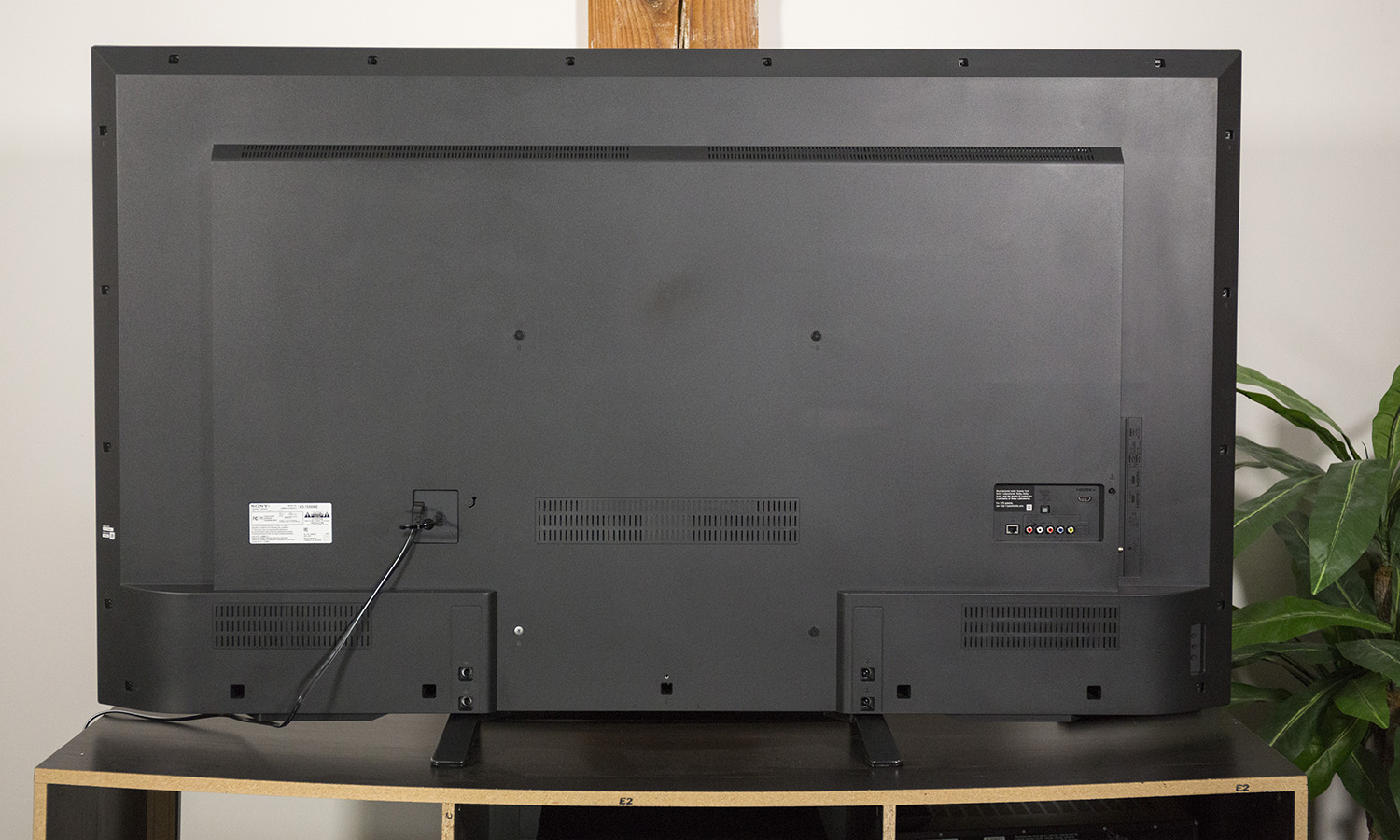
But information technology does bring some challenges of its own. Measuring 61.7 x 35.5 x 3.7 inches, the 70-in X690E can't go just anyplace. Wall climbing is an option — the TV supports climb with a 400 x 400-millimeter VESA mount — but if you want to put it on an entertainment unit or table, you'll need to realize sure you own the necessary clearance.
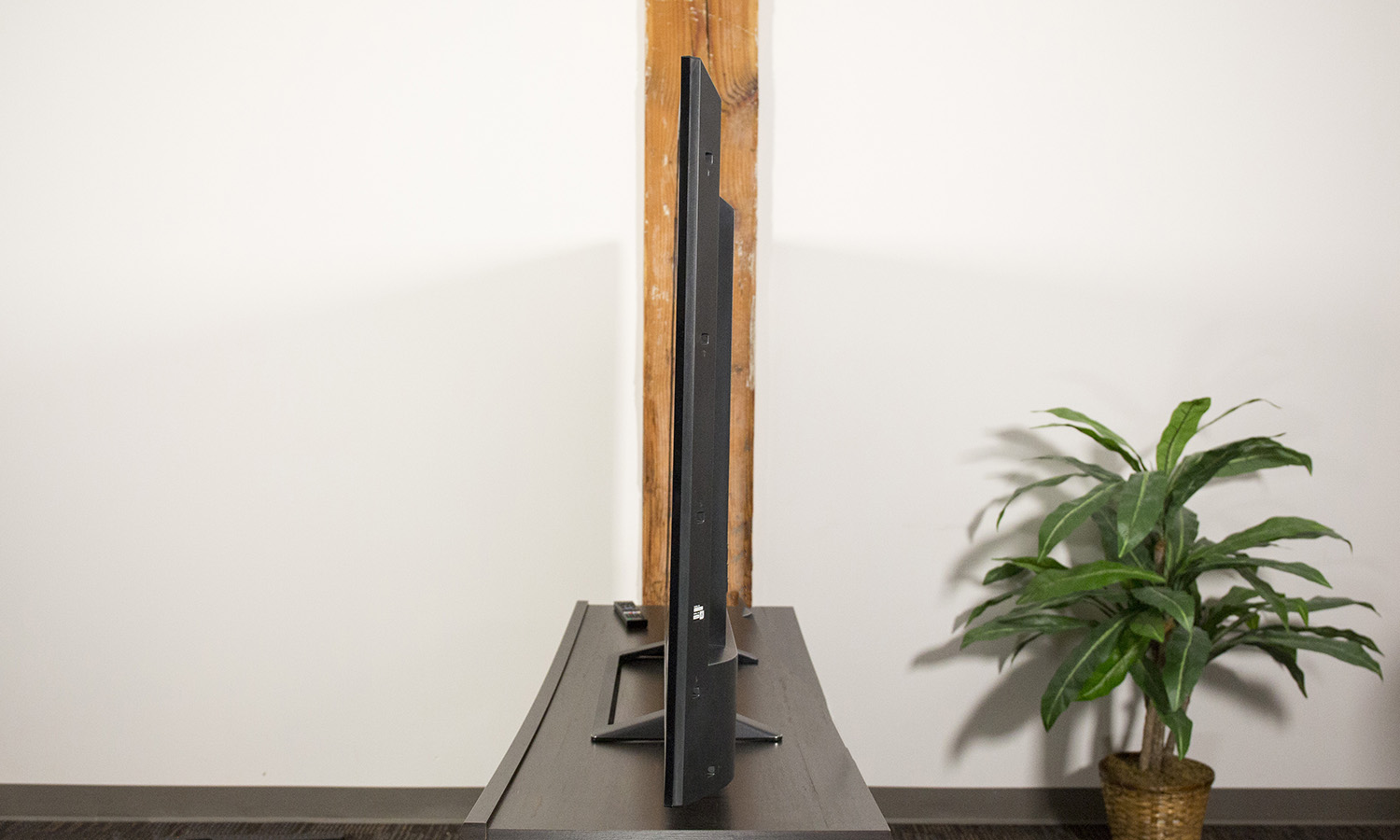
The included stand is made of a hard-line colored plastic with a matte goal and has a U-wrought footprint with a squared-off intent measuring 25 inches wide and 12 inches deep. That's small enough to fit on a normal entertainment building block, but you'll still need to ensure you have wad of clearance happening some sides to accommodate the 62-edge breadth of the Television receiver.
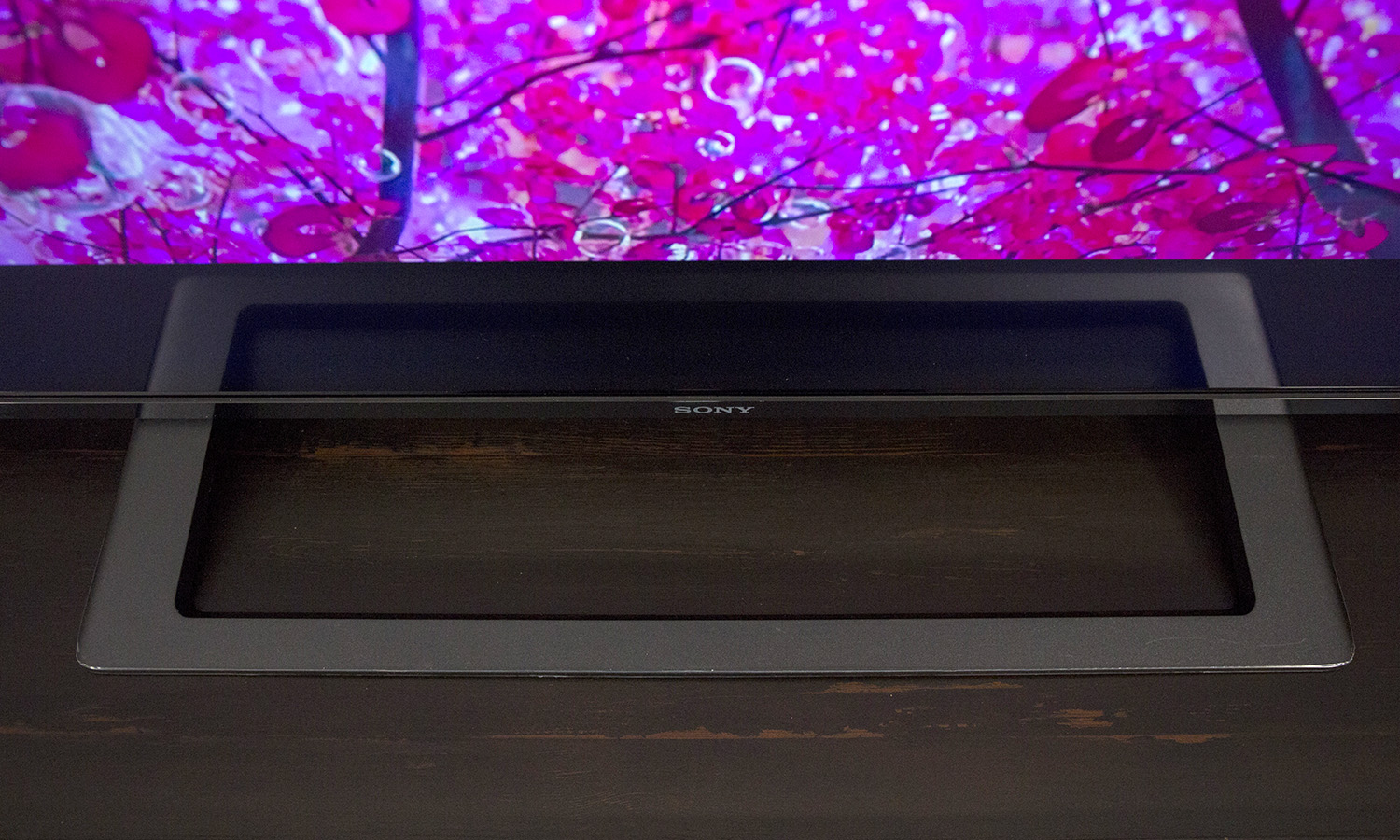
You'll too want to be sure you have room for easy viewing, since such a large TV commode overwhelm a smaller apartment or extant room and make you feel like you're sitting in the front row of a movie dramaturgy. According to our guide to TV screen out size, the ideal viewing aloofness for a 70-inch display is 6 feet.
Ports and Connections
The TV's connections crapper be found on two connector panels connected the rear left-handed side of the set.
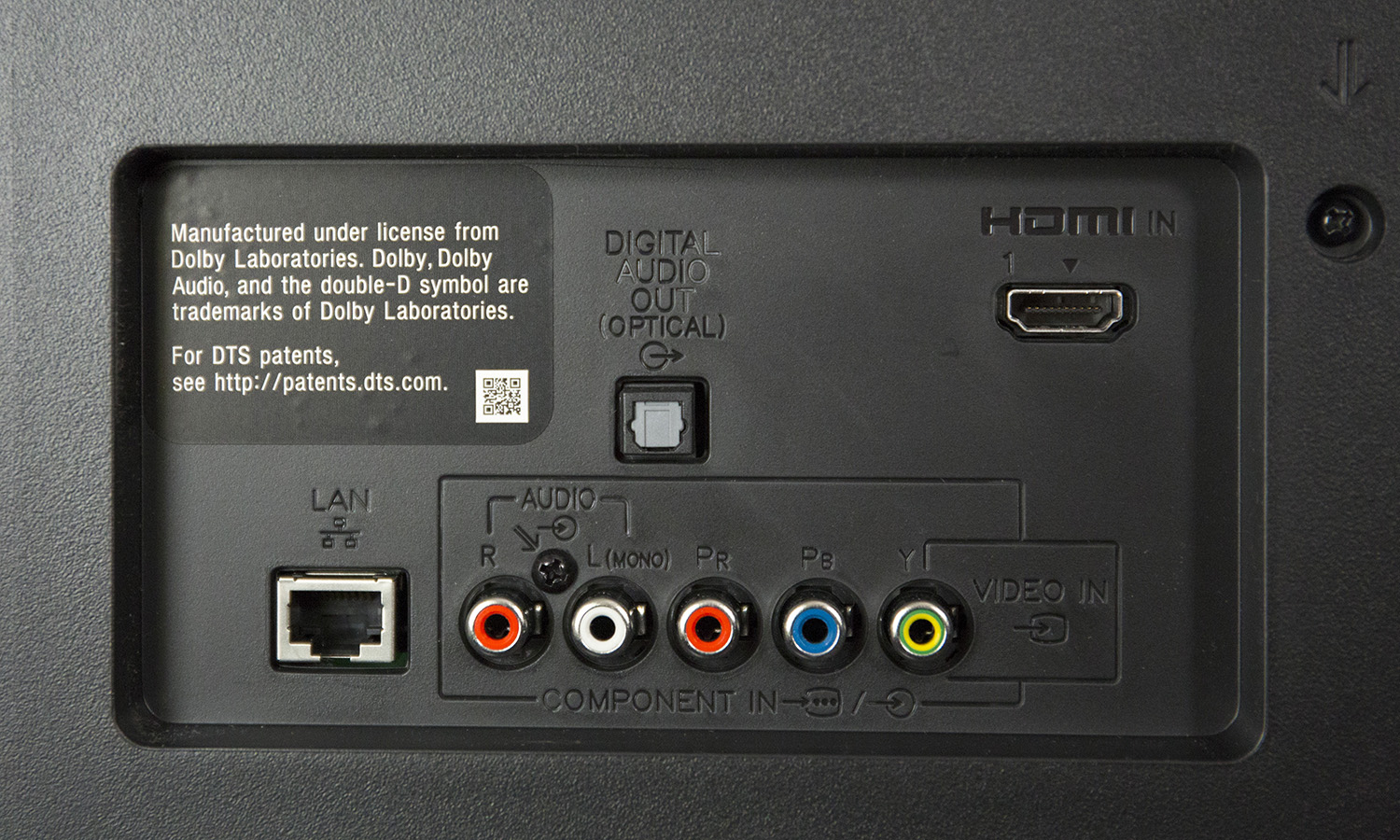
The more accessible of the deuce is correct roughly 8 to 10 inches in from the edge of the display and includes two HDMI ports (extraordinary with ARC), an RF connector for an antenna and three USB ports.
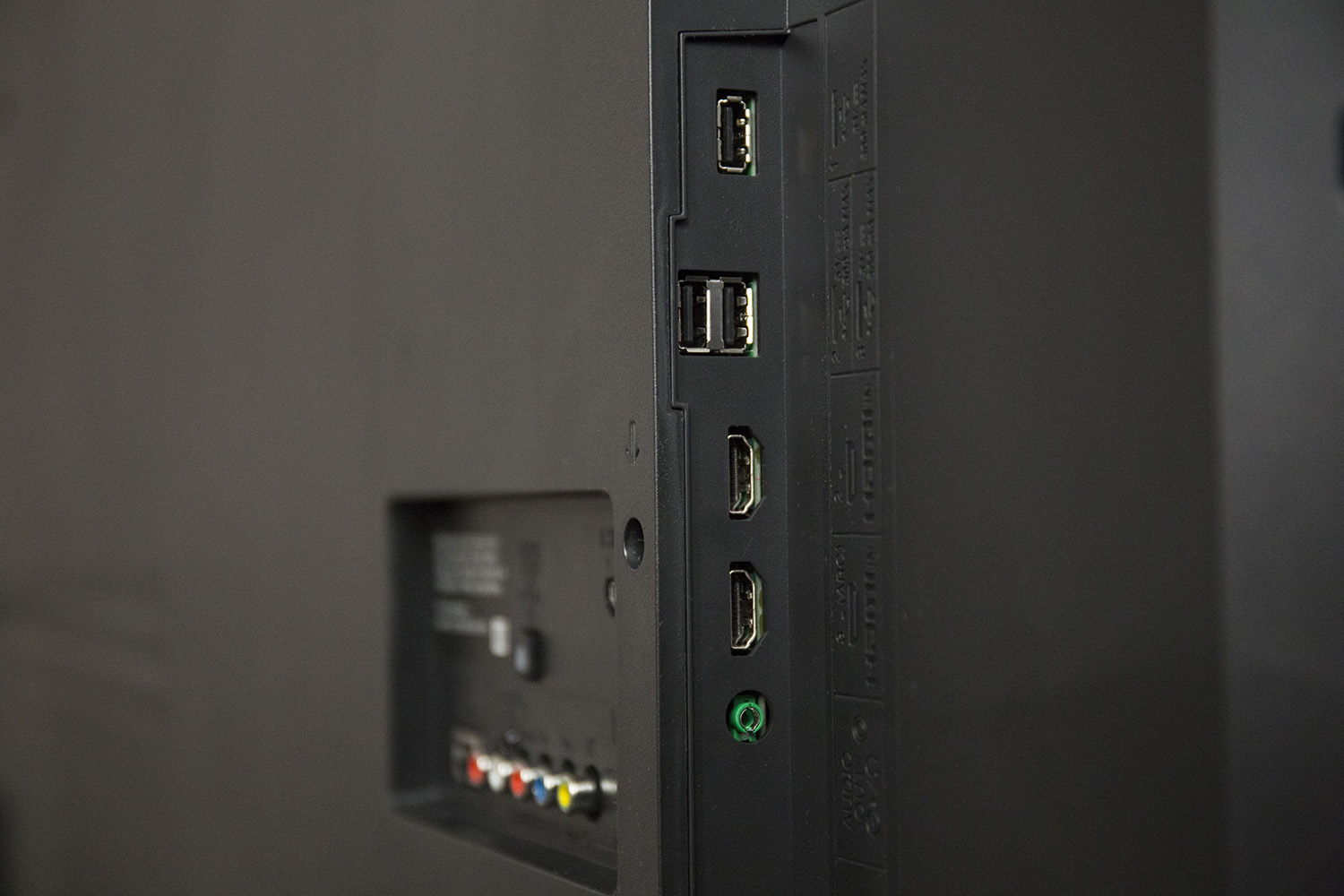
Some other rear-lining panel on the vertebral column has connections for a third base HDMI port, composite plant video and Ethernet for meshwork connectivity. The set also has built-in 802.11ac Wi-Fi, which allows you to get your smart TV on your network without a bugged connectedness.
Performance
The X690E's swell-enough icon quality doesn't quite match the expectations you might have for the cinema-like display. Colors are clear and bright, but they'Ra also oversaturated and e'er-so-somewhat skewed. And the gross color reproduction isn't quite as vivacious equally information technology could be, due to a somewhat lower berth color gamut.
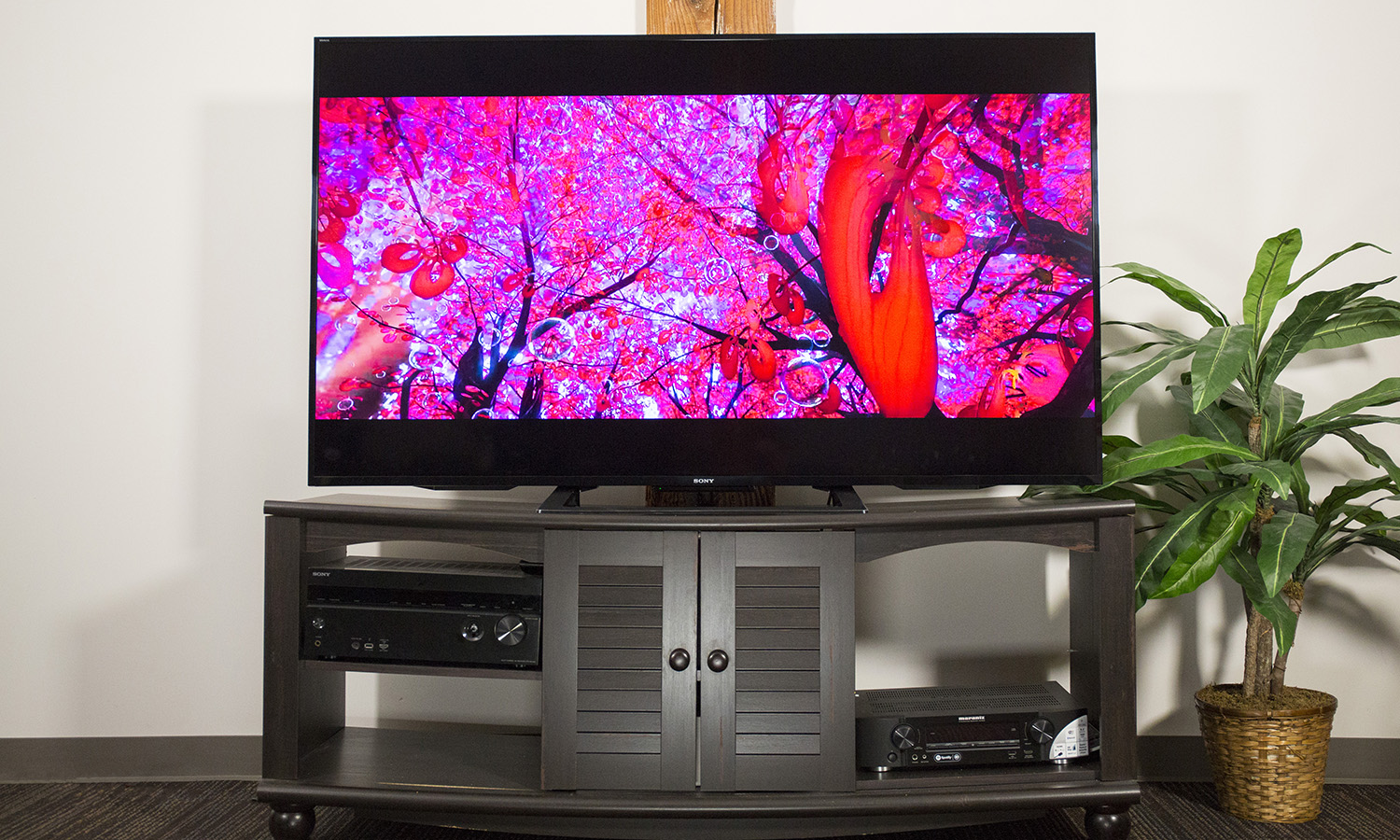
When watching the trailer for Solo: A Star Wars Story, I was impressed with the flashes of color, whether from Lando Calrissian's yellow shirt, a villain's blood-red cape, or the red-and-blue glowing of sci-fi jets.
MORE: Google's 4K Android TV Dongle Looks Ready to Fight Apple TV
More particularised performance checks showed realistic skin tones in movies equivalent Arrival, where much of the film centers on human faces. Whether it was Amy Adams operating theatre Forest Whitaker on-screen, the faces looked clear and lifelike.
Oddly, the X690E has only three of import display settings: Standard, Intense and Customised. Additional modes, such arsenic Cinema and Game modes, are obtainable, only they're under a classify menu in the settings, called Scene Select.
The set's good-enough picture quality doesn't quite pit the expectations you might make for the movie theatre-like show.
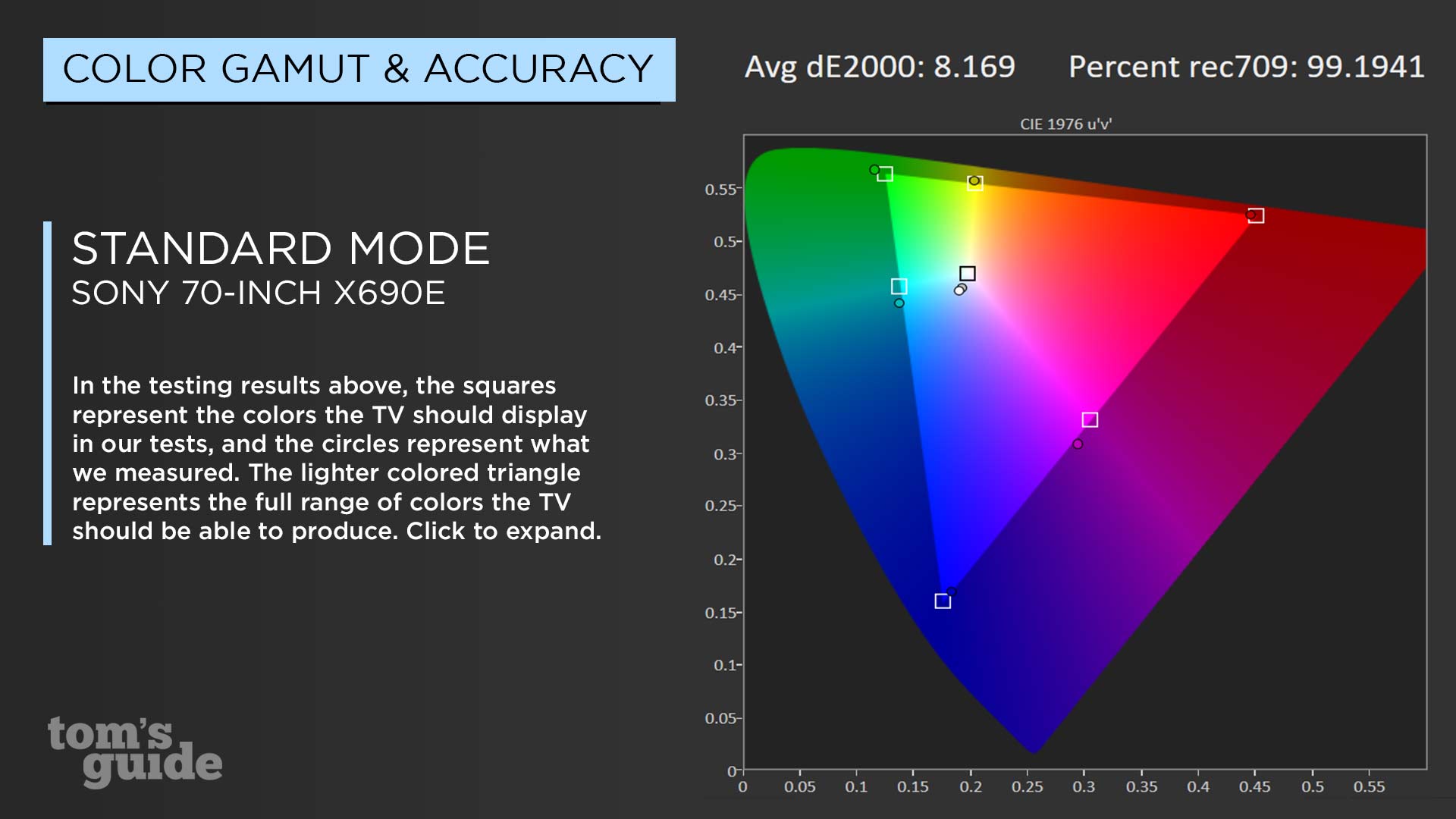
Just about TVs have impecunious color accuracy in Standard mode but proffer a great deal break truth in Cinema mode. In the case of the X690E, however, the performance was the best in the Standard mode, with a Delta-E score of 8.2 (closer to zero is better). This actually isn't out of line for this mode; the Vizio M65-E0 had a Delta-E of 10.4 below similar settings, and the Sony XBR-X900E registered 8.7. However, those two sets besides had much meliorate numbers in different display modes (1.4 and 2.1, severally).
The color gamut, happening the other handwriting, is good only not great, with the X690E reproducing 99.2 percent of the Rec 709 color space. While unusual sets bound ahead with higher percentages — the 65-inch Samsung MU7000 had 99.8, and the Vizio M65-E0 scored a solidness 100 — it's inactive high enough to be acceptable.
MORE: TV - News, Reviews and Television Buying Guides - Tom's Guide
Showing angles are somewhat wide, with minor color shifting occuring at roughly 45 degrees off-center, which isn't bad. Straight-grained smaller panels, like the 55-edge Samsung MU6300, are large sufficiency to induce some color shift even if you don't change the viewing angle, yet that doesn't pass off with the 70-inch Sony.
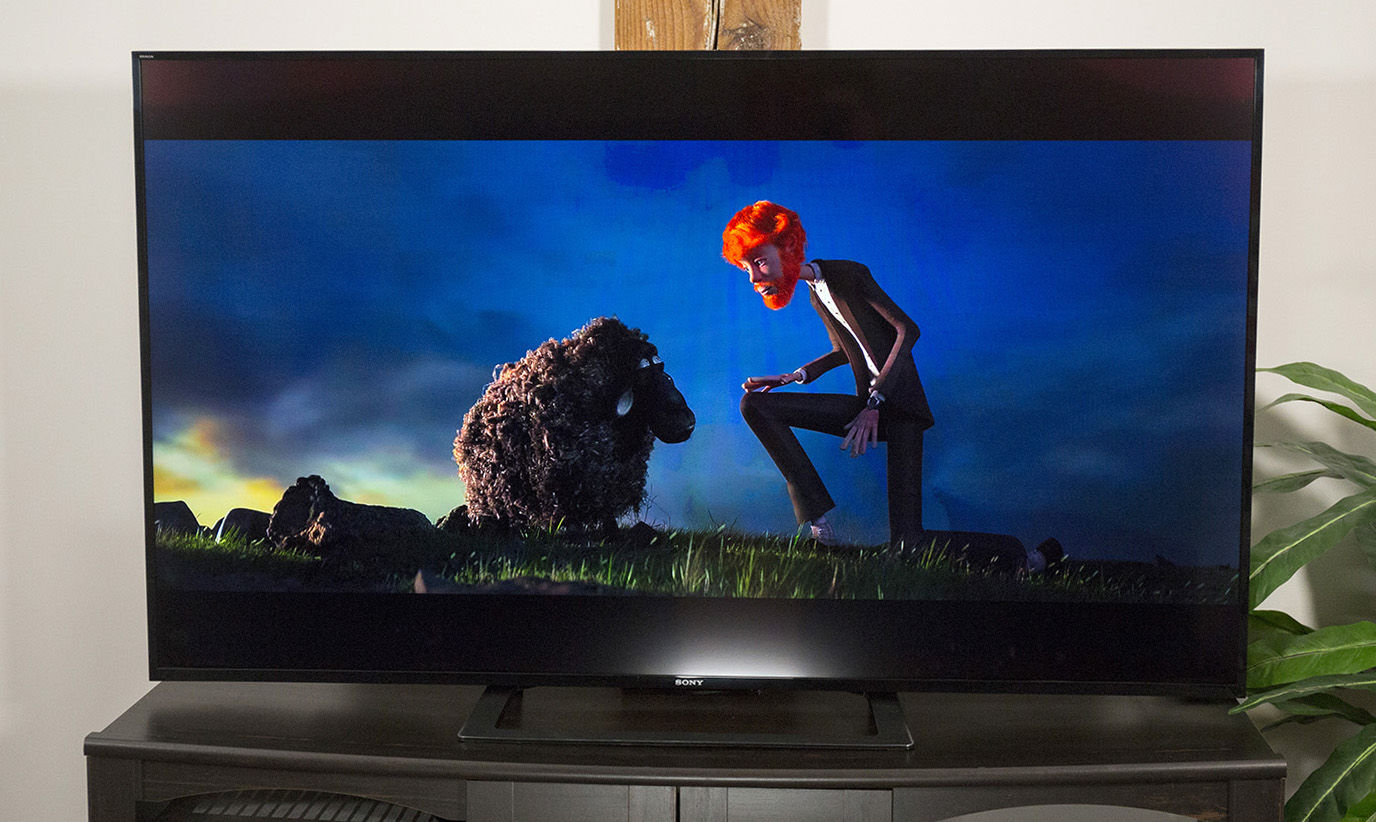
Low-light environments were sufficiently dusky but not so inky black every bit to turn in shadowy scenes hard to watch. A shadowy alleyway in Deadpool, for example, was dark, but details like bricks on the paries and small touches happening characters' costumes could withal be seen clear. In contrast, most OLED displays offer the deepest blacks available on a display but often crush the blacks in shadowy images, leaving muddy details and near-black elements that are difficult to distinguish. The backlight does bear some shadowing in the corners of the panel. But they'rhenium fairly minor, and I was in reality expecting them to be worsened.
Sound
The X690E's audio frequency quality was pretty good, thanks to a pair of 10-watt speakers. The overall volume was strong, easily filling our testing lab whether we were watching The Price Is Right or the laggard for Avengers: Infinity War.
Audio quality on the X690E was pretty good, thanks to a pair of 10- watt speakers.
When we listened to Deadmau5's "Seeya," the uncloudedness was very good, with ideal performance between 20 and 70 percent volume. Therein range, the bass levels were about as good as you'll nonplus without a subwoofer, and the treble was scrunch and clear, with Colleen D'Agostino's vocals coming through with No aberration.
Much: Our Pet Soundbars for Small and Braggart TVs
Anything over 70 percentage started to deep crooked. Bass lost its bounce, vocals measured inferior and distant and, when pushed up to 85 percent, the TV chassis started to reverberate, causing a svelte bombilate.
Smart TV Features
The X690E's menus are fairly opaque, and patc basic adjustments to the picture mode and brightness are easy to find, other settings are not. We've already affected on the difficulty of determination the various movie modes, where whatsoever modes are available right in the display settings, and others — including Movie house, Game and Sports modes — require determination a separate settings menu, under the confusing figure Scene Select. But that's far from the only betoken of confusedness or irritation in these menus.
To turn HDR functionality along and remove, for example, we first had to go into the settings for to each one HDMI port and then enable HDR input from an external device. If you don't enable this feature first, you will be able to beget HDR content just from streaming sources, even if it's your HDR-enabled, Sony-made PlayStation 4 Pro. That's an extraordinarily clunky means to care one of the main selling points of the jell.
Compared to the Humanoid Tv set options offered on Sony's other Bravia sets, the Opera OS on this smart TV is a real letdown.
Then there's the choice of bright TV platform. This model wrinkle uses the Sony Internet TV platform, which is a very bland name for Opera's smart TV platform with a impost skin. Compared with the Android Goggle bo options offered on Sony's other sets, this is a really letdown. The tile-icon layout is usable, but to get additional apps, you feature to put through the Opera house TV app first.
MORE: Your Guide to Cablegram TV Cord-Cutting
The app selection is non great. While the Boob tube comes with well-identified apps alike Amazon Video, Crackleware, Hulu, Netflix and YouTube preinstalled, you'll live in a bad way to find any some other apps you might trust for. The selection drops off aggressively in quality, and you'll rapidly find yourself sifting through apps that consist entirely of public-field films, foreign-language content and inexpert funniness shows better suited to YouTube. Mainstream viewing options from networks and studios you'd know are almost entirely devoid.
Opera house does boast extraordinary games content, simply it's got the same lackluster options. Among the highlighted apps promoted in Opera's app selector switch are games comparable Rock Swapper and Pentominoes — low-rent knockoffs of Bejeweled and Tetris, severally.
Unaccessible Master
While it may non take over the Android Telecasting interface we liked so much on the Sony XBR65X900E, the X690E does consume the same remote control. Unfortunately, Sony's squatty remote design is our least favorite from any major manufacturing business. The perpendicular shape ISN't particularly well-situated to hold, just the big sin is that the layout is confusing.
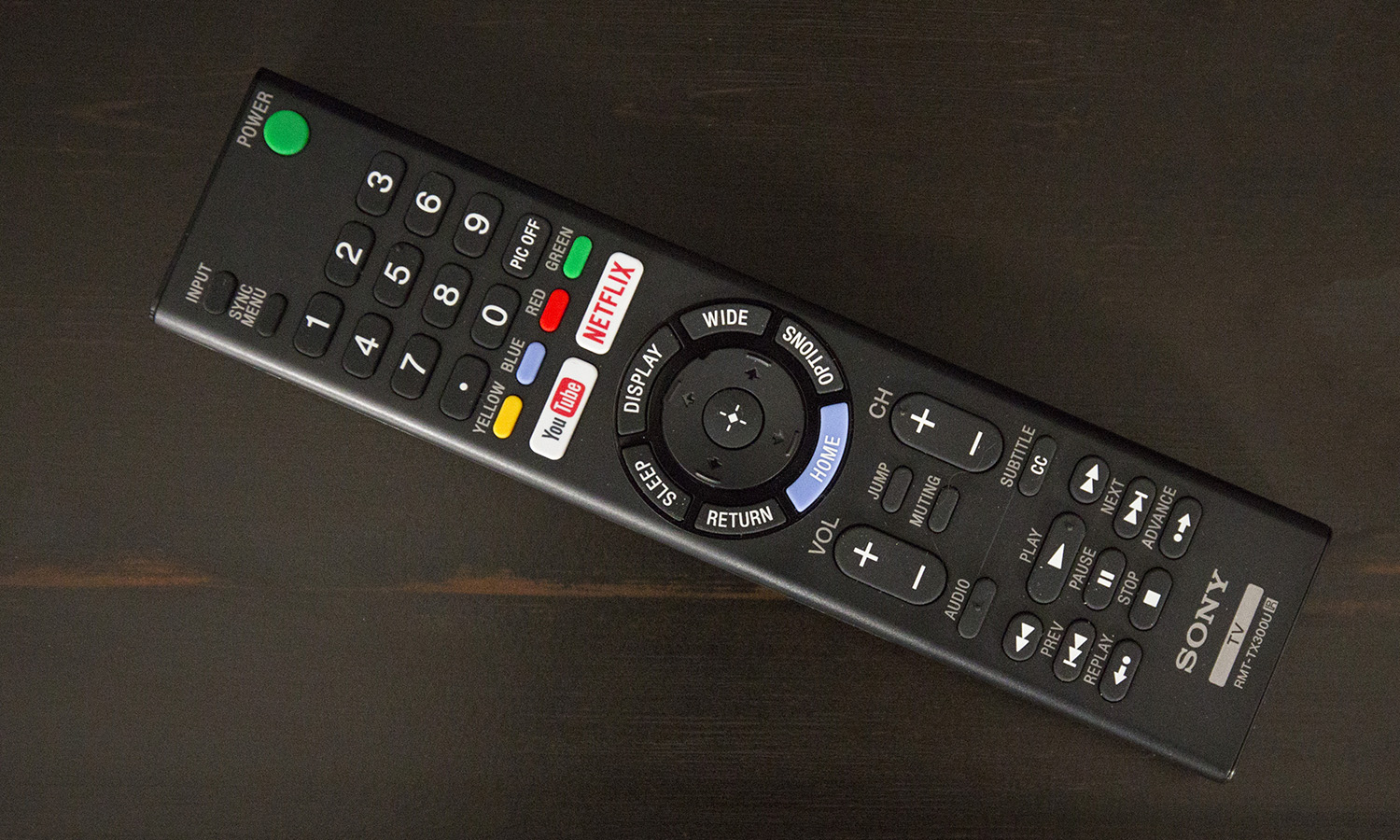
The remote has 49 buttons crammed onto its rectangular face off, and while some of these are straightforward — look-alike channel and volume controls, and basic total stimulus — others aren't. Most frustrating is the guiding pad, which is encircled by six navigational buttons. I can't figure out wherefore, but I don't think I've encountered the said selection of navigation buttons on whatever Sony remote. Here, the buttons are tagged Home, Options, Wide (for thick-screen aspect ratio), Display, Sleep and Return.
MORE: Our Favorite Streaming Media Players and Sticks
Not only is the layout unintuitive, but the proximity of the Sleep button to the Return button means that when navigating through Netflix or YouTube, you mightiness accidentally trigger the Goggle bo's sleep timer. That's just bad design, and it's strange to see a company like Sony struggle with such a basic factor of the TV experience.
Bottom Line
If you're looking for a huge TV, the Sony X690E is an Fine midrange 4K do. The picture quality and auditory sensation are fairly good and the feature excerption is less galvanic than what other Sony models offer, but it's usable. The large 70-inch display is the source of very much of this set's cost, and $1,299 isn't half bad for a TV that stretches more than 5 and uncomplete feet from corner to corner.
But even with the big screen and nice performance, this Sony TV suffers from just about peculiarly poor decisions in its remote intention and menu layout, which pull through difficult to use some of the features that may have sold you on the showing earlier. For a screen that's nearly arsenic big but without the irritating menus and dull execution, consider the 65-inch Samsung MU7000 OR Sony's own XBR-65X900E. Both of those sets offering superior performance and a more polished exploiter experience for a similarly inexpensive price.
Credit: Tom's Guide

Brian Westover is an Editor at Tom's Manoeuver, covering everything from TVs to the latest PCs. Prior to joining Uncle Tom's Point, he wrote for TopTenReviews and PCMag.
Panisonic Versa 60 Inch Plasma Tv Parts Coo;ing Fans
Source: https://www.tomsguide.com/uk/us/sony-x690e-70-inch-tv,review-5333.html